













The standardised steel box reshaped global maritime trade more than
The standardised steel box reshaped global maritime trade more than any 20th-century trade agreement could.
Before containerisation became a thing, ships spent a lot of time at ports since cargo was loaded piece by piece, exposed to natural elements, resulting in damage and delays.
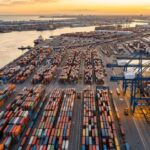
But today, a single ship can carry more than 24,000 TEUs, thanks to standardised containers which can be handled by all port cranes, trucks and rail cars.
A shipping container is not just a simple rectangular steel box that most would imagine it to be. They are sophisticated cargo boxes designed to carry different types of cargo.
Some can maintain a temperature of −25°C throughout the journey, while some have their own ventilation systems for live animals, and there are those which must be filled to atleast 80% capacity.
If you select the wrong container type for your cargo, simply because of a lack of knowledge, or cost issues or non-availability, you would be risking cargo damage, violations and ultimately shipment detainment at ports.
This article covers all 20 container types in active maritime use, with standard dimensions, ISO specifications, and the cargo categories each is
Content Original Link:
" target="_blank">