








Maritime operations rely on precision,
Maritime operations rely on precision, preparedness, and a clear understanding of legal boundaries. At sea, even routine movements require adherence to long-established principles of seamanship and maritime law. Among these, three operational pillars—salvage, towage, and pilotage—stand out as fundamental yet often misunderstood.
Though each involves one vessel assisting another, their purpose, legal foundation, commercial nature, and level of risk differ significantly. For maritime professionals or maritime law students, distinguishing these services is essential. The nuances can determine liability, compensation, insurance cover, and even the outcome of disputes.
The following breakdown offers an accessible introduction as discussed in the ebook A Beginner’s Guide to Maritime Law, while keeping enough depth reserved for those who wish to explore the complete eBook.
1. Salvage
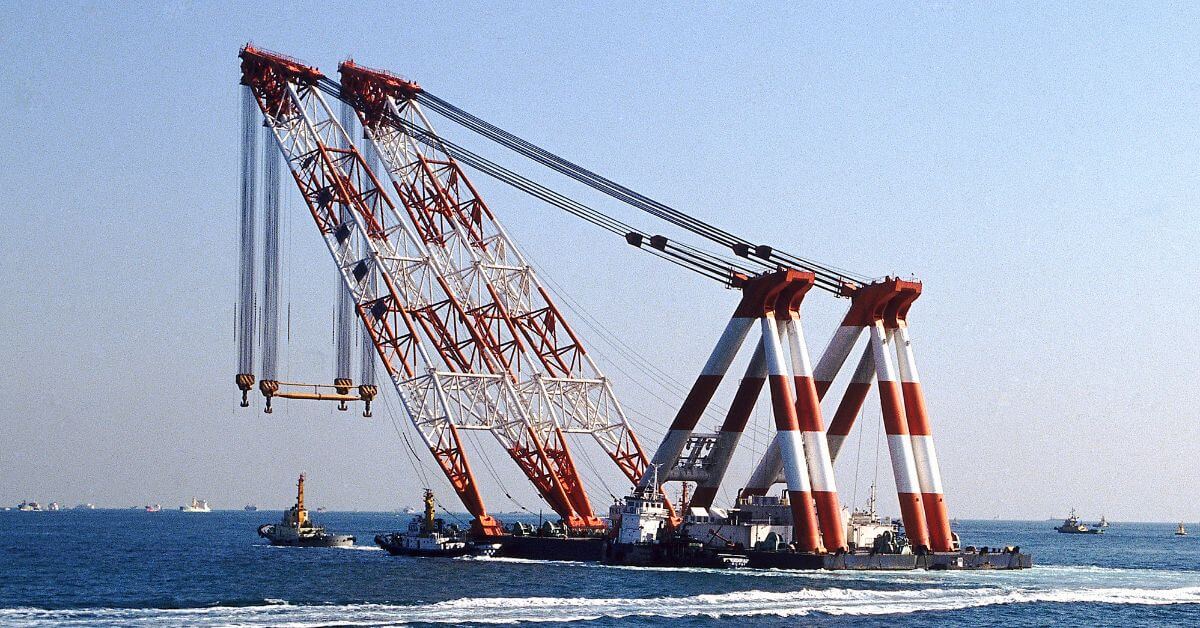
Salvage represents one of the most dramatic aspects of maritime operations. It involves assisting a vessel or maritime property that is genuinely endangered, whether due to grounding, fire, flooding, machinery breakdown, or any other peril at sea.
A few defining features set salvage
Content Original Link:
" target="_blank">