








In global trade, thousands of

In global trade, thousands of shipments move across oceans, each involving a web of legal, financial, and logistical responsibilities. At the heart of this network are two fundamental parties—the consignor and the consignee. Though these terms appear simple, they represent distinct legal identities with roles that influence documentation, liability, and contractual obligations throughout the carriage of goods.
A clear understanding of these roles is not only essential for shipping professionals but also forms the groundwork of maritime law. The distinction becomes even more significant when interpreting bills of lading, resolving disputes, or analysing responsibilities in a claim.
Below is a structured breakdown that helps demystify these two critical figures in maritime commerce.
1. Who Is the Consignor?
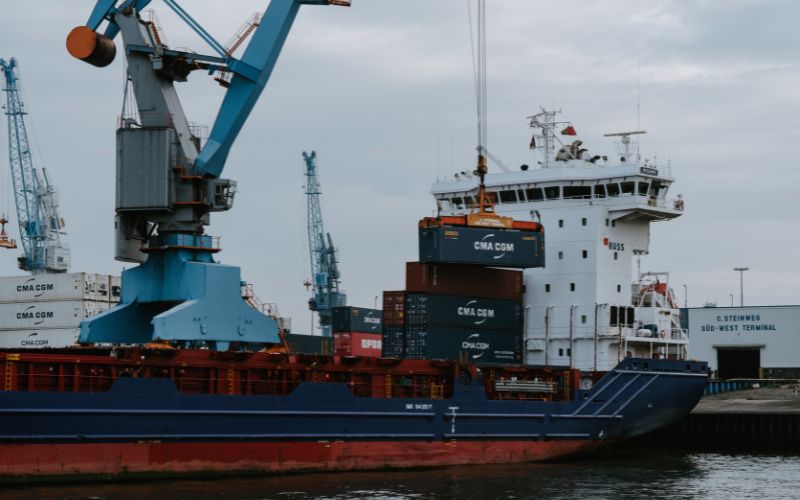
The consignor, often called the shipper or exporter, is the party who hands over goods for carriage. They initiate the movement of cargo and are responsible for ensuring it is correctly packaged, labelled, documented, and ready for export.
Key Functions of the Consignor
- Prepares and hands over cargo to the
Content Original Link:
" target="_blank">