








Charterparties sit at the very

Charterparties sit at the very heart of commercial shipping. They define how vessels are hired, how cargo is moved, and how responsibilities are shared between shipowners and charterers. Yet, despite their structured clauses and industry-standard forms, charterparties are inherently risk-laden contracts.
Many disputes in shipping arise not from extraordinary events, but from everyday operational and commercial risks that were misunderstood, underestimated, or poorly managed. Understanding these risks is therefore essential for anyone dealing with chartering decisions.
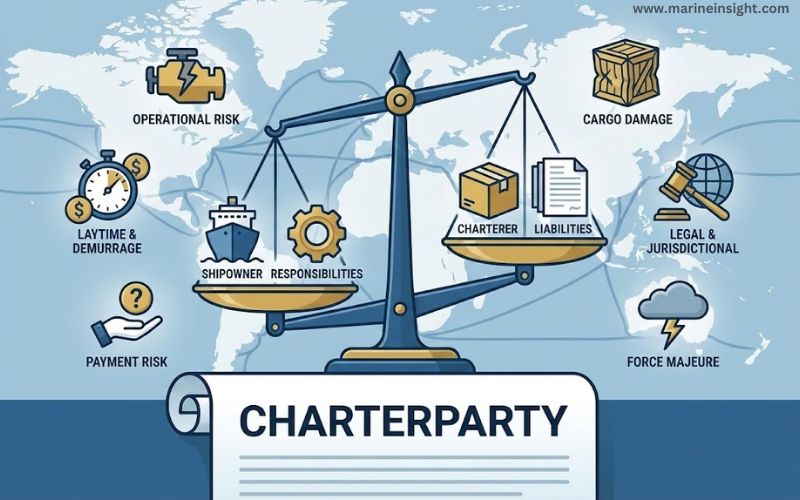
Below are some of the main risks commonly encountered in charterparties, explained from a practical maritime perspective.
1. Operational and Seaworthiness Risk
One of the most fundamental risks lies in the condition and performance of the vessel. Shipowners are generally obliged to provide a seaworthy ship at delivery and, in many cases, to maintain that condition throughout the charter. Machinery failures, poor maintenance, or non-compliance with safety regulations can lead to delays, off-hire claims, or even termination of the charter. For charterers, reliance on a vessel that cannot perform as agreed can disrupt
Content Original Link:
" target="_blank">