








In maritime trade, the shipowner
In maritime trade, the shipowner occupies a central position, not merely as the owner of the vessel but as the party ultimately responsible for ensuring that the ship can safely and legally participate in global commerce. While charterers, shippers, and agents all play defined roles, the shipowner’s responsibilities form the foundation on which the entire operation rests. A clear understanding of these duties is essential for anyone involved in shipping contracts, vessel operations, or maritime risk management.
Below are five key responsibilities of a shipowner that underpin safe and efficient maritime trade.
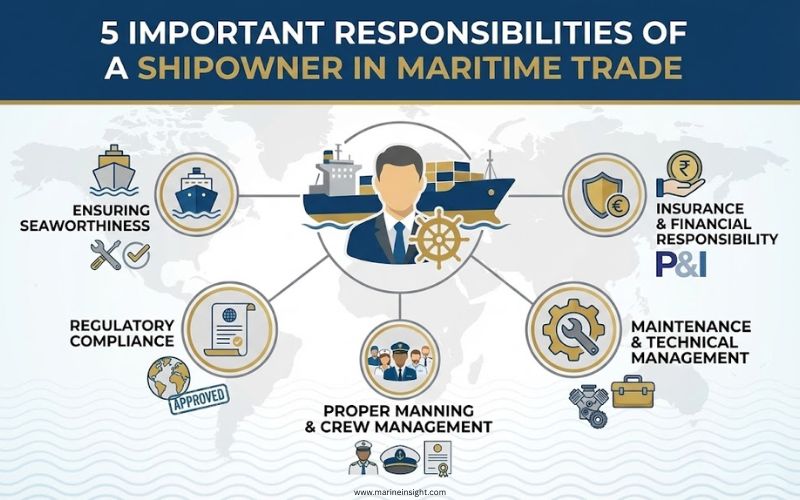
1. Ensuring Seaworthiness of the Vessel
One of the most fundamental obligations of a shipowner is to provide and maintain a seaworthy vessel. This goes beyond basic structural integrity. A seaworthy ship must be properly equipped, adequately maintained, and suitable for the intended voyage and cargo. Failure to meet this standard can expose the shipowner to claims arising from cargo damage, delays, or even personal injury. In practice, seaworthiness is not a one-time requirement but an ongoing
Content Original Link:
" target="_blank">