













High-value oncology deals drive China’s drug licensing boom

As 2025 draws to a close, China’s meteoric rise in the innovative medicines segment has undeniably captured the attention of the global pharmaceutical industry.
Once considered a nation with expertise in generic and “me-too” drug manufacturing, China is moving away from this reputation by leaning into the strategic development of first-class or best-in-class innovative therapies across pharma and biotech.
Go deeper with GlobalData


Discover B2B Marketing That Performs
Combine business intelligence and editorial excellence to reach engaged professionals across 36 leading media platforms.
These efforts are supported by the rapid expansion of China’s clinical trial ecosystem, which saw the country take the lead in global study initiations in 2024, as shown by analysis by GlobalData, the parent company of Pharmaceutical Technology.
China’s regulatory system is also poised for continued growth, with swift investigational new drug application (IND) processing playing a key role in timeline acceleration.
As R&D efforts accelerate across therapy areas, including oncology, immunology and cardiometabolic health, Western companies are increasingly seeking out deals with Chinese biotech and pharma. This comes as they look to bulk out their pipelines with high-quality, cost-effective therapies in anticipation of the looming patent cliff, which GlobalData estimates will cause US drug sales to drop by $230bn between 2025 and 2030.
This uptick in deals is evidenced by the prevalence and value of Chinese innovator drug licensing deals, which comprised 28% of the innovator deals signed by large pharma in 2024, while accounting for $41.5bn in value, according to GlobalData.

Don’t let policy changes catch you off guard. Stay proactive with real-time data and expert analysis.
By GlobalDataAs deals between the West and China continue to grab headlines, there are questions as to what the licensing deal landscape will look like in the future, as well as how China will interact with the wider pharmaceutical market moving forward.
High-value deals become more commonplace
In the last five years, there has been a sizable increase in high-value deals between the West and China, with 20 transactions worth over $500m taking place in 2023 alone. 2025 has been no different, with Novartis signing a $5.36bn deal with Argo Biopharmaceutical, AstraZeneca forging a $5.3bn agreement with CSPC Pharmaceutical and Zenas Biopharma entering a $2bn agreement with InnoCare Pharma.
As 2026 approaches, Josh Smiley, president and COO of US-China biopharma Zai Labs, predicts that dealmaking between China and the West will continue to grow, with deal volume rising in tandem.
Smiley said: “One of the main reasons that global companies are so engaged in China right now is the fact that you can find an early clinical programme for less total value exchange than in the US or Europe.
“However, I expect these figures will start to normalise, meaning high-quality assets developed in China will get more expensive over time.”
Jeffries Asia healthcare head Cui Cui said that 2025 licensing deal trends are likely to continue into 2026, as pharma companies contend with rising pricing pressures and approaching patent cliffs. According to Cui Cui, China’s abundance of early-stage assets can help to mitigate the impact of such challenges.
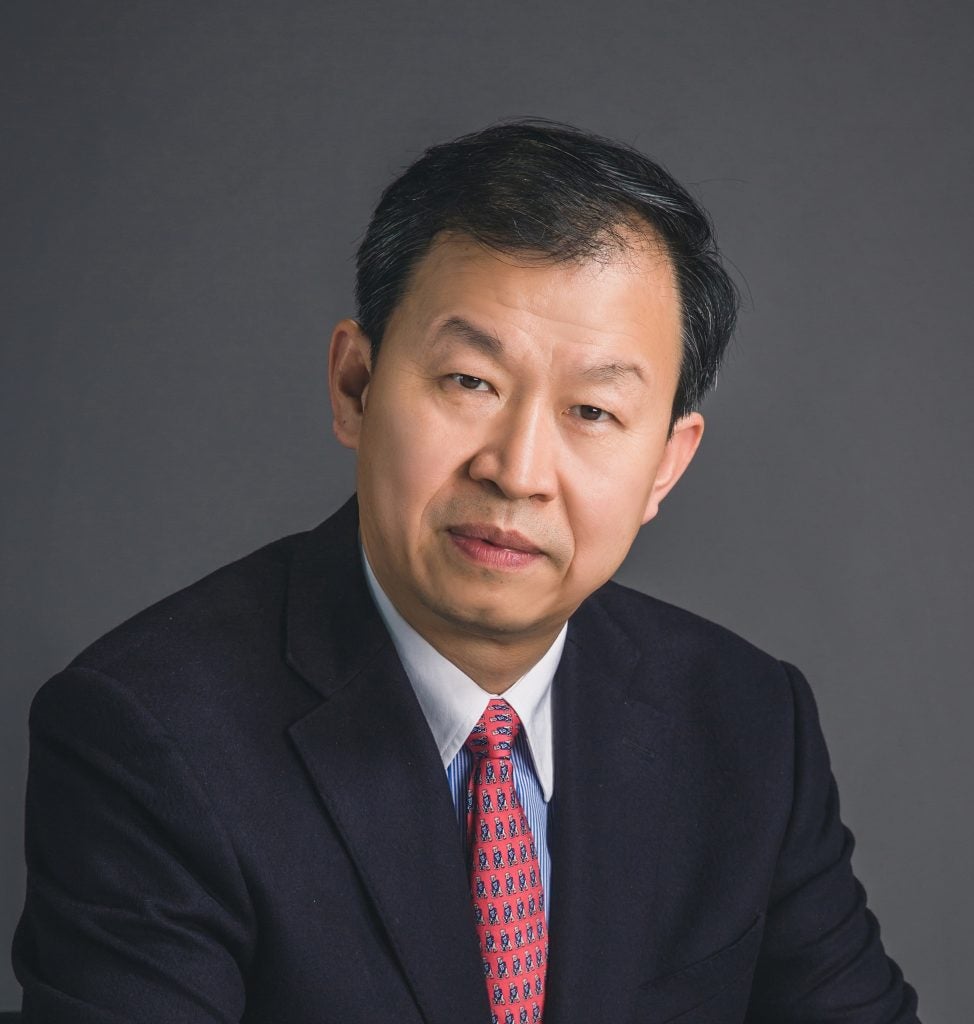
Dajun Yang, CEO of Chinese drugmaker Ascentage Pharma, said the burgeoning interest in China’s R&D output is ushering the country’s pharma sector into a “2.0” era, as investment brings returnees – such as Yang himself – back to China to pursue their own business endeavours.
Oncology deals set the precedent
As the value of Chinese drug asset deals continues to rise, one thing has remained constant – China’s efforts in developing oncology therapies.
In 2025, oncology was a strong centre of focus for licensing agreements, with companies such as AbbVie, Pfizer and GSK all signing high-profile, multi-billion dollar deals under this therapeutic umbrella.
According to Smiley, antibody-drug conjugates (ADCs) developed in China have been particularly popular with Western dealmakers, as Chinese companies are well equipped to “explore and develop different linker-payload combinations through fast cycles of innovation and iteration”.
Yang echoed this sentiment, noting that next-generation biologics like ADCs, bispecifics and cell and gene therapies (CGTs) produced in China continue to drive investor and big pharma interest. All three of these modalities have demonstrated commercial success across a broad range of oncological indications.
Interest in China’s CGT output comes as the country has become a key development hub for these therapies, driven by rapid trial initiations and accelerated timelines, while Western companies grapple with funding pressures.
While oncology programmes continue to drive strong value gains for Chinese biotech and pharma, immunology has also emerged as a popular area of focus, with the previously mentioned GSK and AbbVie deals both including an immune disease component.
Smiley forecasts that immunology will continue to be a prominent focus in 2026; however, there has been a notable uptick in cardiometabolic deals as companies try to break into the highly competitive obesity market.
Addressing BIOSECURE’s implications
In a potential hit to China’s pharma sector, the BIOSECURE Act was recently reintroduced back onto the Senate’s roster for inclusion in the FY2026 National Defense Authorization Act (NDAA). It was passed by the House on 11 December.
Though analysts forecast that the bill could have profound effects on the West’s interaction with Chinese companies, Yang notes that he is mainly unfazed by the policy’s introduction.
“If we cater to the unmet needs globally and focus on innovation, creating drugs that are first- or best-in-class, there should be little worry related to the BIOSECURE or any other geopolitical event,” Yang says.
Cui expressed similar thoughts on BIOSECURE, noting the act will simply serve as “noise” if positive data readouts continue to come out of China. She also highlighted that US partners are incentivised to maintain relations with Chinese biotech companies, as they “need their output to enhance pipelines and save costs”.

Independence in sight, but more work ahead
As the global reputation and influence of Chinese biotech and pharma continue to grow, some companies are looking to pursue a global self-commercialisation strategy over the common multinational company (MNC) licensing blueprint.
An example of this is BeOne Medicines – formerly known as BeiGene – which took its immuno-oncology therapeutic, Brukinsa (zanubrutinib), to the US following its success on the Chinese market. While BeOne is now an MNC, its roots started in Beijing.
While a small proportion of Chinese pharma are attempting this, Cui notes that the majority are unlikely to pursue self-commercialisation strategies over licensing deals in the short term.
“Many Chinese companies currently lack the trial experience, sales network and R&D capability in pure innovation to self-commercialise across the global market,” she states.
Due to this, Cui believes that partnering with an MNC will remain best practice in the near term.
Smiley mirrors this belief, mentioning that Chinese companies will still require access to capital to facilitate further pipeline development. He also highlights the “continued interest” in the out-licensing model amongst Asian investors, as many companies across China do not yet have sufficient experience in the global market, which “needs to be built over time through experience with a partner”.
From a longer-term perspective, Cui concludes that Chinese companies will seek self-commercialisation opportunities, which could result in “US pharma lobbying to restrict their growth”.

Sign up for our daily news round-up!
Give your business an edge with our leading industry insights.
Content Original Link:
" target="_blank">


