













What Safety Failures Lead to Crashes Near Container Transport Routes?
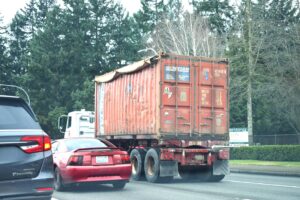
Container transport routes are the arteries of global commerce, with thousands of massive trucks hauling shipping containers across highways every single day. While these routes are essential for our economy, they’re also hotspots for devastating accidents. Container transport routes handle an enormous volume of freight traffic daily, creating unique safety challenges that differ from regular highway driving.
Understanding what safety failures lead to crashes near container transport routes isn’t just important for trucking companies; it’s vital for every driver, pedestrian, and community member who shares the road with these commercial giants.
Why Are Container Transport Routes More Dangerous Than Regular Highways?
These specialized routes connect ports, distribution centers, and manufacturing facilities, often passing through densely populated areas. The sheer size and weight of container trucks often reach 80,000 pounds when fully loaded. This means that even minor safety failures can result in catastrophic consequences. According to the National Highway Traffic Safety Administration’s 2023 Large Trucks data report, there were 5,472 people killed in traffic crashes involving large trucks in 2023, with an estimated 153,452 people injured. An estimated 528,177 large trucks were involved in police-reported traffic crashes nationwide during 2023. Unlike passenger vehicles, container trucks have significantly larger blind spots and require exponentially longer stopping distances.
In major container transport hubs like Spartanburg, South Carolina, weather-related truck accidents often involve drivers and cargo from out of state. Whether you’re a resident or a visitor who was injured in a collision with a container vehicle here, your rights are protected by South Carolina law. A Spartanburg personal injury lawyer at Stewart Law Offices can represent you, regardless of where you live. They can help explain your rights and guide you through the claims process. If you need assistance with legal battles in Spartanburg, you can physically visit 409 S Pine Street, SC 29302, located less than a mile from Happy Hollow Park, and can meet professionals. Moreover, you can also contact Stewart Law Offices by directly calling them at 846-583-2223.
What are the Main Causes Leading to Crashes Near Container Transport Routes?
Here are some of the major reasons providing a basis for crashes near container transport routes.
Drowsy Driver
One of the most prevalent safety failures leading to crashes near container transport routes is driver fatigue. The trucking industry operates on tight schedules and demanding delivery windows, creating immense pressure on drivers to stay on the road longer than they safely should. Fatigued drivers experience slower reaction times, impaired judgment, and, in severe cases, may fall asleep at the wheel. When these fatigue-related accidents occur, victims often face complex legal battles to establish liability and secure compensation.
Inadequate Vehicle Maintenance
Poor maintenance is a leading cause of container truck accidents. Neglected maintenance schedules and inadequate pre-trip inspections are frequently the root cause of these preventable accidents.
- Brake System Failures – Fully loaded trucks weighing 80,000 pounds require significantly longer stopping distances than passenger vehicles. Worn brake pads, deteriorated brake lines, or malfunctioning air brake systems can lead to catastrophic crashes when trucks cannot stop in time.
- Tire Blowouts – Tire failures at highway speeds create extremely dangerous situations. Worn treads, improper inflation, and aging rubber cause sudden blowouts that lead to loss of control. With each tire supporting thousands of pounds, proper tire maintenance is essential for safe container transport operations.
Improper Cargo Loading and Securement Issues
Improper cargo loading is a major cause of accidents on container transport routes. When containers aren’t properly balanced or secured to trailers, uneven weight distribution compromises vehicle control by reducing steering responsiveness, increasing rollover risk during turns, and lengthening braking distances. Cargo that shifts during transit can suddenly destabilize vehicles, especially on highway curves or during emergency maneuvers, transforming controllable situations into dangerous accidents.
Insufficient Driver Training and Certification
Commercial driver’s licenses (CDLs) require specialized training, yet the quality and depth of this training vary considerably. Crashes near container transport routes are frequently connected to drivers who lack a comprehensive understanding of Container-specific handling characteristics, speed management, blind spot awareness, emergency response procedures, and weather-related driving adjustments.
Speed Management and Aggressive Driving Behaviors
Speed limits aren’t arbitrary. They’re calculated based on road conditions, traffic patterns, and vehicle capabilities. Container trucks require substantially more distance to stop safely. At 65 mph, a fully loaded container truck may need over 500 feet to come to a complete stop under ideal conditions. When drivers exceed safe speeds for conditions, they eliminate the safety margin needed to respond to unexpected situations.
Distracted Driving
Modern truck cabs contain numerous potential distractions, including GPS systems, electronic logging devices, communication equipment, and personal devices. Even brief moments of inattention become dangerous when traveling at highway speeds covering a significant distance each second.
Infrastructure Inadequacies
Sometimes the infrastructure itself contributes to what safety failures lead to crashes near container transport routes. Adverse weather demands heightened caution, particularly for container trucks with high centers of gravity. Rain reduces tire traction, fog eliminates visibility, ice creates slippery conditions, and high winds can literally push tall containers off course or cause rollovers.
How to Minimize Risks Near Container Transport Routes?
Preventing accidents near container transport routes requires coordinated efforts from multiple stakeholders. When all parties, drivers, trucking companies, municipalities, and regulators prioritize safety over convenience or profit, container transport routes become safer for everyone.
- Drivers should maintain 4-6 seconds following distances behind container trucks, avoid blind spots (truck sides, rear, and 20 feet ahead), and pass quickly while ensuring full visibility before merging.
- Trucking Companies must implement rigorous safety programs, including frequent vehicle inspections, ongoing driver training, safety technology, and a culture where drivers can report concerns without fear of retaliation.
- Infrastructure and Planning needs proper signage, adequate lighting, dedicated truck lanes, regular road maintenance, and routing heavy traffic away from residential and school areas.
- Regulatory Enforcement through roadside inspections, compliance reviews, and meaningful penalties ensures accountability across the industry.
Frequently Asked Questions
What should I do immediately after an accident with a container truck?
Seek medical attention first, even for seemingly minor injuries. Then document the scene with photos, gather witness information, and contact law enforcement. Avoid giving recorded statements to insurance companies before consulting an attorney.
Who can be held liable in container truck accidents?
Multiple parties may share liability, including the truck driver, trucking company, cargo loading company, maintenance providers, or even manufacturers if equipment failure contributed to the crash.
Are trucking companies required to maintain safety records?
Yes, federal regulations require trucking companies to maintain detailed records of vehicles. They look for inspections, driver qualifications, hours of service logs, and maintenance activities.
The post What Safety Failures Lead to Crashes Near Container Transport Routes? appeared first on Container News.
Content Original Link:
" target="_blank">